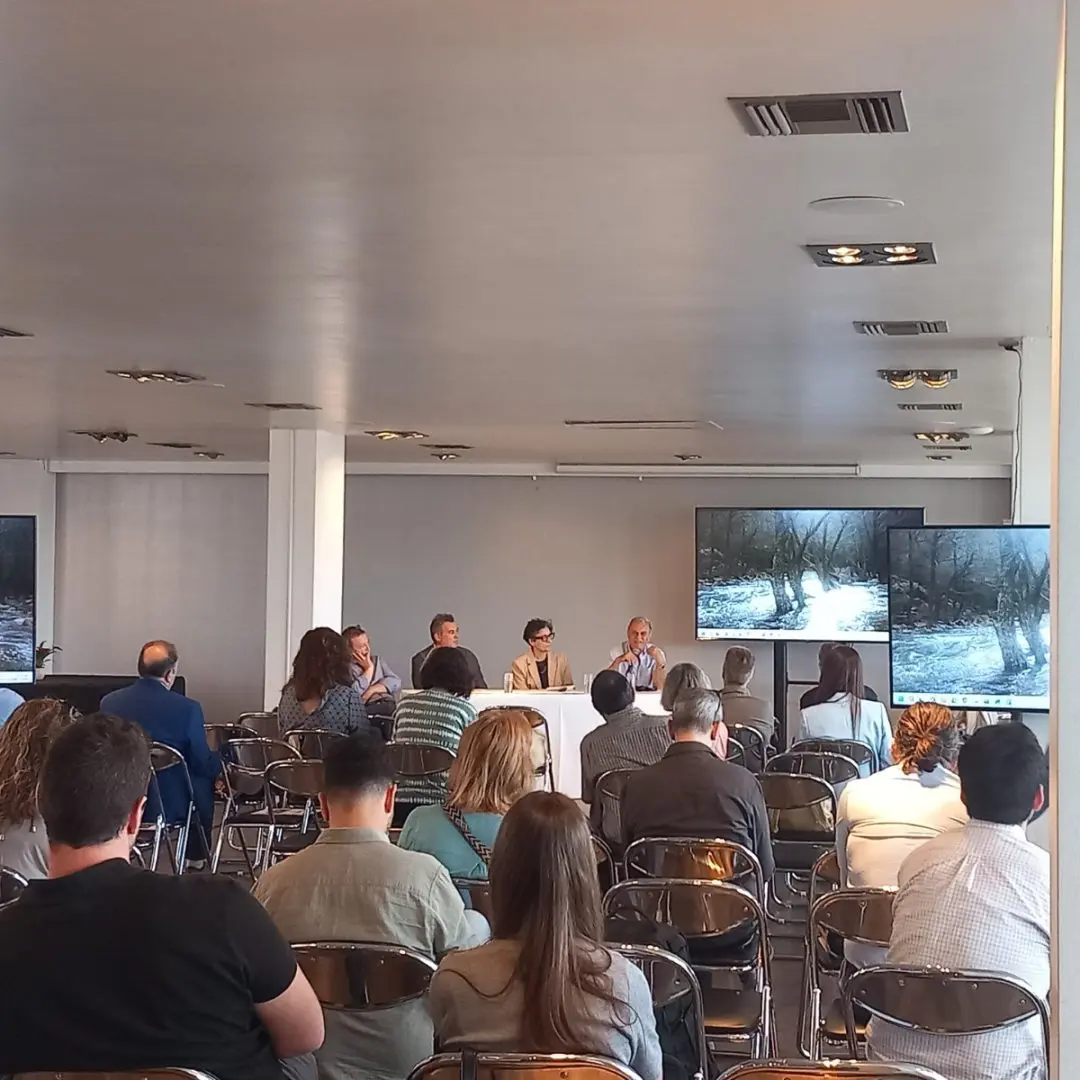



The conference on the first regional network for chemical monitoring of surface and groundwater in Greece, organized by “LEVER – Development Consultants S.A.”, a member of the “Samara & Associates” Group, was held with great success in Athens with the participation of representatives of the central administration, EYDAP, university institutions, researchers and bodies of the National Water Monitoring Network.
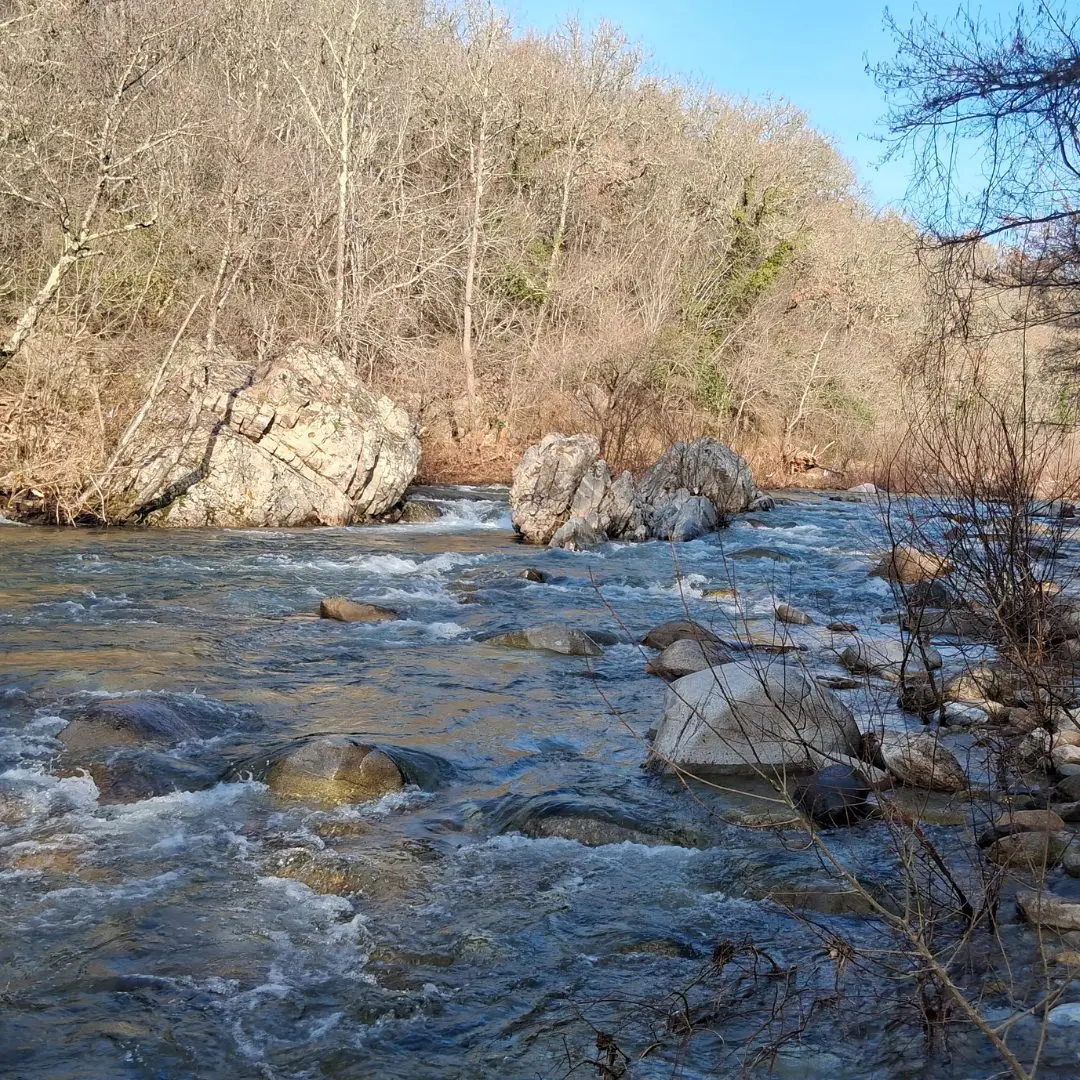
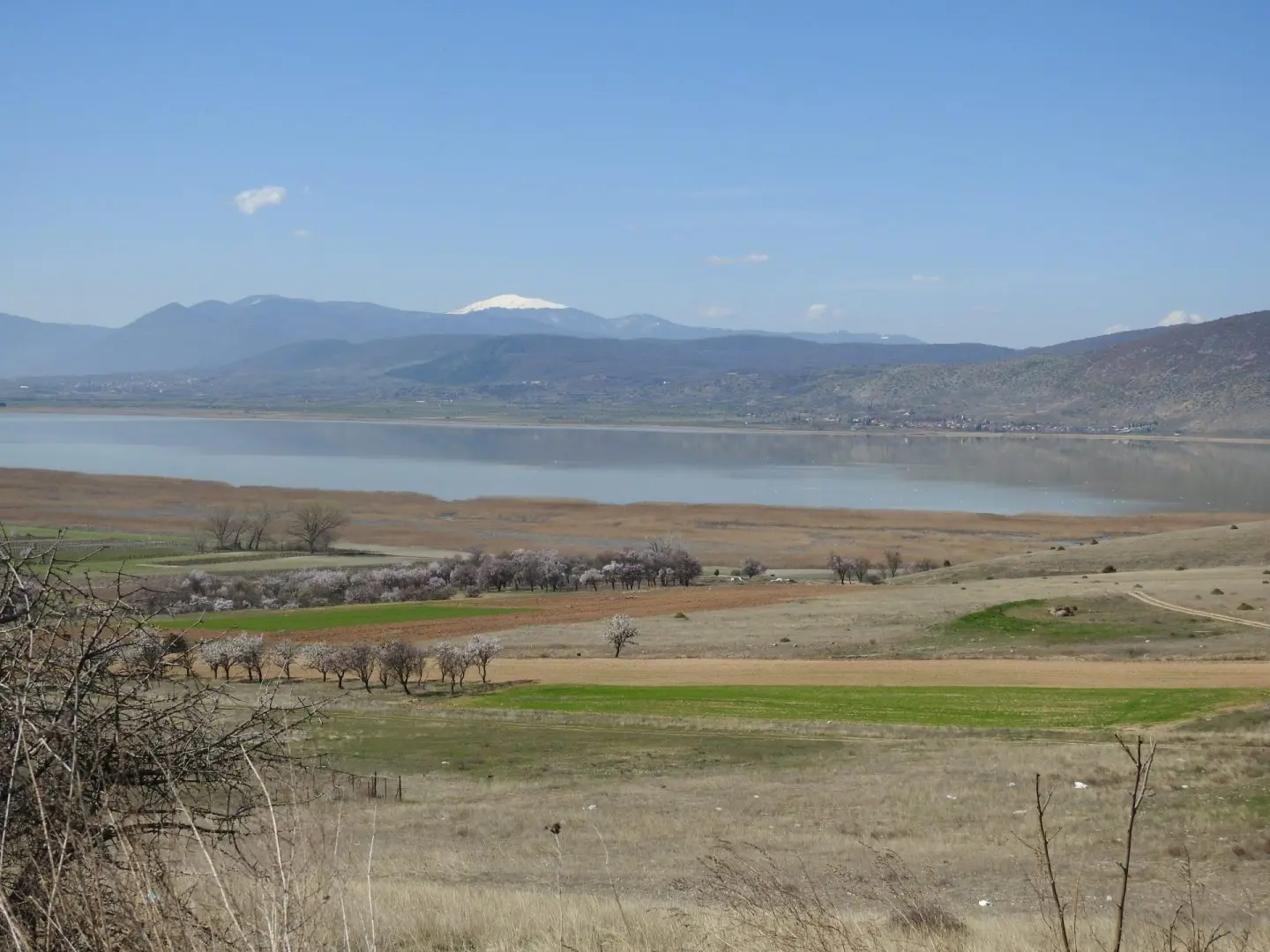
It is worth noting that the project of the Decentralized Administration of Macedonia – Thrace constitutes a significant innovation for the country, as for the first time a regional network of surface and groundwater was created that operates complementary to the National Network, within the framework of the implementation of the Framework Directive 2000/60/EC. The project ensures reliable data on the status of all waters in the administrative region of Eastern Macedonia and Thrace, thereby strengthening the design of more targeted and cost-effective protection and management measures.
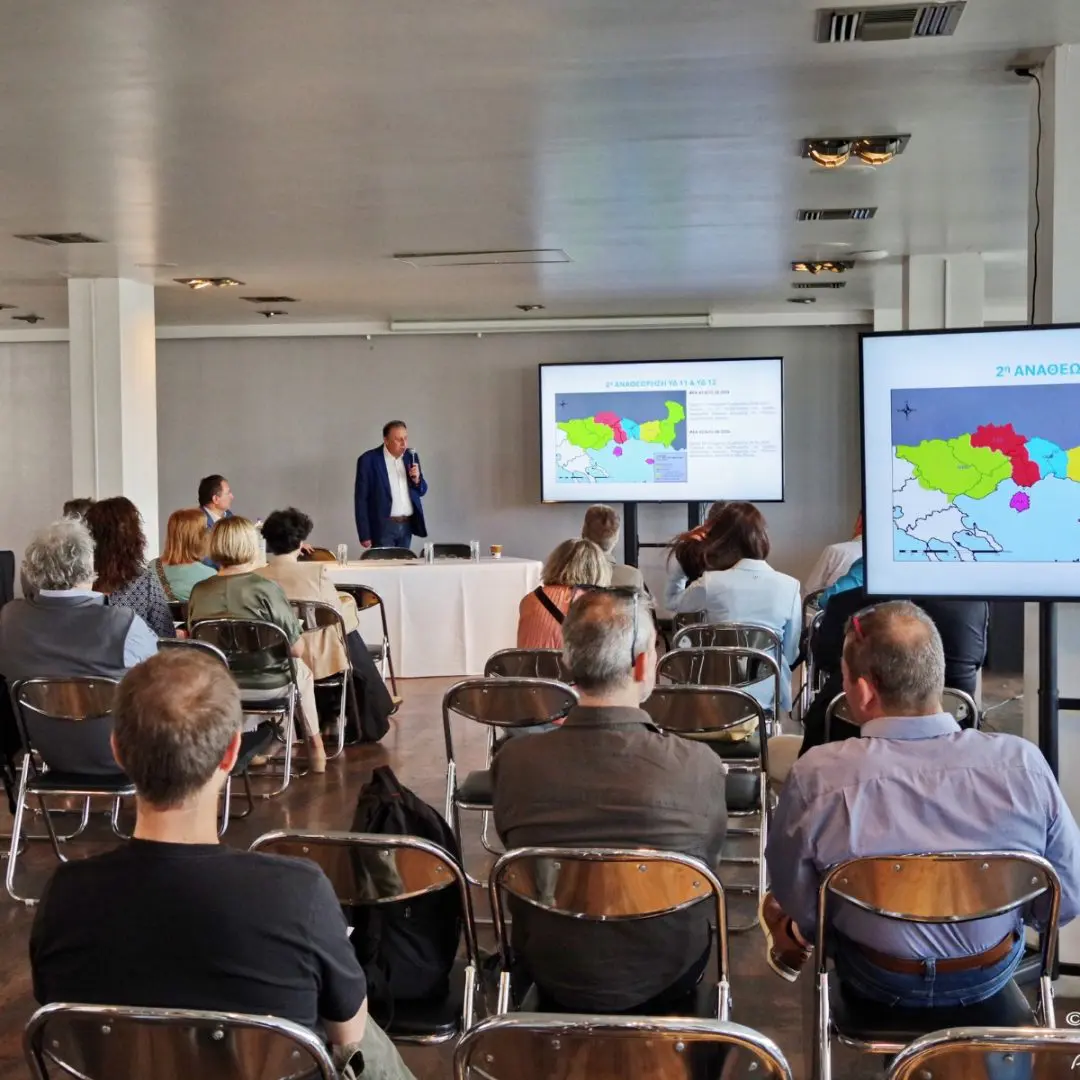
“LEVER – Development Consultants S.A.” played a decisive role in the implementation of the project, undertaking the coordination of leading scientists and specialized laboratories at the forefront of scientific research. At the same time, it ensured the strict application of standardized procedures at all stages of implementation, contributing substantially to the reliability and scientific integrity of the results. Furthermore, in collaboration with the Department of Chemistry and the Department of Civil Engineering of the Aristotle University of Thessaloniki, it undertook the interpretation and evaluation of the results reflected in the seasonal reports of the project, which is now in its third and final year of operation.
The Coordinator of the Decentralized Administration of Macedonia Thrace Dr. Kampas, presenting the project, referred to the stages of planning and financing of the 1st regional network. Dr. Kampas stressed the importance of the location of the network stations in groundwater and surface waters (coastal, lagoons, lakes and rivers), where today they are not covered by any other monitoring network and in the past they were classified either as unknown status, or with pressure assessment and grouping.
For her part, Asst. Prof. of the Department of Chemistry of the Aristotle University of Thessaloniki, Natasa Kalogiouri presented the innovative facilities, equipment and methods of analyzing water samples, with the possibility of historical recording of substances, which we may be unaware of today, but may in the future be important for its quality.
The director of the environmental consultants of “LEVER – Development Consultants S.A.”, Dr. George Hatzinikolaou developed the feasibility of the regional network and focused on the need to develop other regional networks at the country level: “These networks will complement the National Monitoring Network which, today, only measures approximately 20% of the water systems of Greece. The work of the NMS is of paramount importance, as for the first time we have comparable data from the entire territory, in almost continuous monitoring for chemical, physicochemical and biological data”. He then referred to the importance of regional networks in terms of economic return on the measures provided for in the River Basin Management Plans, but also to the necessary restoration projects of water resources that are lagging behind in Greece.
Chemical Engineer, from the Department of Civil Engineering of the Aristotle University of Thessaloniki, Dr. Maria Petala, presented the trends of the first results from the two years of operation of the Regional Surface and Groundwater Monitoring Network in Eastern Macedonia and Thrace. As she pointed out, the findings remain preliminary, as the integration of next year’s analyses will allow for a more complete and reliable assessment. From the comparison to date with the classifications of the 2nd Revision of the RBMPs, agreement is found in approximately 53% of the water systems, with groundwater showing greater discrepancy of individual parameters with the classification. The results highlighted the importance of spatiotemporal monitoring for the interpretation of parametric values, especially in relation to seasonality, and local hydrological and climatic conditions.
Ms. Eleni Gourvelou, representing the Special Management Authority, developed the operating costs of the NDPP and underlined the need for other Decentralized Administrations to undertake such initiatives.
In the discussion that followed, the following took part:
Director of Water Resources of EAGME, _ Mr. Panagiotis Sampatakakis,
Coordinator of the Decentralized Administration of Crete, Ms. Chara Kargiolaki,
Head of the Water Directorate of the Decentralized Administration of Attica, Mr. Theodoros Bellos,
The person responsible for monitoring the project, Head of the General Directorate of Spatial Planning and Environmental Policy and the Water Directorate of Central Macedonia, Dr. Stelios Tamvakidis, referred to the particularly important timing of the project’s implementation, noting that the previous two hydrological years were characterized by drought, while this year increased rainfall was recorded. For this reason, the results of the surface and groundwater analyses are awaited with particular interest, as they will constitute a valuable “witness” of the impacts of the climate crisis. In conclusion, the common belief of all participants regarding the necessity of active contribution to data production, to the extent appropriate to each entity, was underlined, as well as the importance of the participation of the remaining Decentralized Administrations of the Regions.